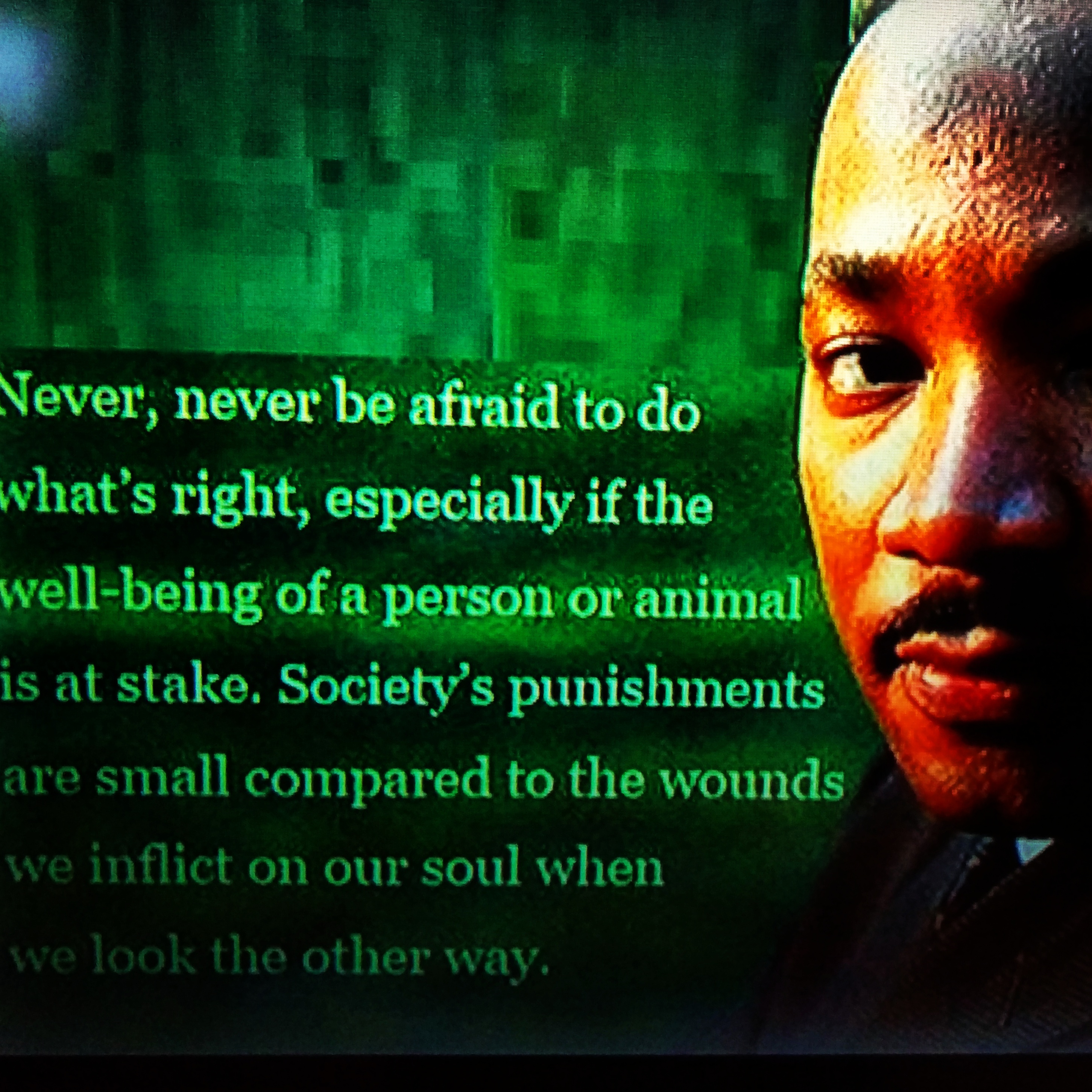
The “I have a dream” speech, read please.

Martin Luther King Jr. was celebrated yesterday, Jan. 17, 2016, just two days after he would have turned 87 years old.

It’s a great day to revisit the “I Have A Dream” speech he delivered in 1963 in Washington, D.C. Scroll down to read the text in full below.

I am happy to join with you today in what will go down in history as the greatest demonstration for freedom in the history of our nation.

Five score years ago, a great American, in whose symbolic shadow we stand today, signed the Emancipation Proclamation. This momentous decree came as a great beacon light of hope to millions of Negro slaves who had been seared in the flames of withering injustice. It came as a joyous daybreak to end the long night of their captivity.

But one hundred years later, the Negro still is not free. One hundred years later, the life of the Negro is still sadly crippled by the manacles of segregation and the chains of discrimination. One hundred years later, the Negro lives on a lonely island of poverty in the midst of a vast ocean of material prosperity. One hundred years later, the Negro is still languishing in the corners of American society and finds himself an exile in his own land. So we have come here today to dramatize a shameful condition.

In a sense we have come to our nation’s capital to cash a check. When the architects of our republic wrote the magnificent words of the Constitution and the Declaration of Independence, they were signing a promissory note to which every American was to fall heir. This note was a promise that all men, yes, black men as well as white men, would be guaranteed the unalienable rights of life, liberty, and the pursuit of happiness.

It is obvious today that America has defaulted on this promissory note insofar as her citizens of color are concerned. Instead of honoring this sacred obligation, America has given the Negro people a bad check, a check which has come back marked “insufficient funds.” But we refuse to believe that the bank of justice is bankrupt. We refuse to believe that there are insufficient funds in the great vaults of opportunity of this nation. So we have come to cash this check — a check that will give us upon demand the riches of freedom and the security of justice. We have also come to this hallowed spot to remind America of the fierce urgency of now. This is no time to engage in the luxury of cooling off or to take the tranquilizing drug of gradualism. Now is the time to make real the promises of democracy. Now is the time to rise from the dark and desolate valley of segregation to the sunlit path of racial justice. Now is the time to lift our nation from the quick sands of racial injustice to the solid rock of brotherhood. Now is the time to make justice a reality for all of God’s children.

It would be fatal for the nation to overlook the urgency of the moment. This sweltering summer of the Negro’s legitimate discontent will not pass until there is an invigorating autumn of freedom and equality. Nineteen sixty-three is not an end, but a beginning. Those who hope that the Negro needed to blow off steam and will now be content will have a rude awakening if the nation returns to business as usual. There will be neither rest nor tranquility in America until the Negro is granted his citizenship rights. The whirlwinds of revolt will continue to shake the foundations of our nation until the bright day of justice emerges.

But there is something that I must say to my people who stand on the warm threshold which leads into the palace of justice. In the process of gaining our rightful place we must not be guilty of wrongful deeds. Let us not seek to satisfy our thirst for freedom by drinking from the cup of bitterness and hatred.

We must forever conduct our struggle on the high plane of dignity and discipline. We must not allow our creative protest to degenerate into physical violence. Again and again we must rise to the majestic heights of meeting physical force with soul force. The marvelous new militancy which has engulfed the Negro community must not lead us to a distrust of all white people, for many of our white brothers, as evidenced by their presence here today, have come to realize that their destiny is tied up with our destiny. They have come to realize that their freedom is inextricably bound to our freedom. We cannot walk alone.

As we walk, we must make the pledge that we shall always march ahead. We cannot turn back. There are those who are asking the devotees of civil rights, “When will you be satisfied?” We can never be satisfied as long as the Negro is the victim of the unspeakable horrors of police brutality. We can never be satisfied, as long as our bodies, heavy with the fatigue of travel, cannot gain lodging in the motels of the highways and the hotels of the cities. We cannot be satisfied as long as the Negro’s basic mobility is from a smaller ghetto to a larger one. We can never be satisfied as long as our children are stripped of their selfhood and robbed of their dignity by signs stating “For Whites Only”. We cannot be satisfied as long as a Negro in Mississippi cannot vote and a Negro in New York believes he has nothing for which to vote. No, no, we are not satisfied, and we will not be satisfied until justice rolls down like waters and righteousness like a mighty stream.

I am not unmindful that some of you have come here out of great trials and tribulations. Some of you have come fresh from narrow jail cells. Some of you have come from areas where your quest for freedom left you battered by the storms of persecution and staggered by the winds of police brutality. You have been the veterans of creative suffering. Continue to work with the faith that unearned suffering is redemptive.

Go back to Mississippi, go back to Alabama, go back to South Carolina, go back to Georgia, go back to Louisiana, go back to the slums and ghettos of our northern cities, knowing that somehow this situation can and will be changed. Let us not wallow in the valley of despair.

I say to you today, my friends, so even though we face the difficulties of today and tomorrow, I still have a dream. It is a dream deeply rooted in the American dream.

I have a dream that one day this nation will rise up and live out the true meaning of its creed: “We hold these truths to be self-evident: that all men are created equal.”

I have a dream that one day on the red hills of Georgia the sons of former slaves and the sons of former slave owners will be able to sit down together at the table of brotherhood.

I have a dream that one day even the state of Mississippi, a state sweltering with the heat of injustice, sweltering with the heat of oppression, will be transformed into an oasis of freedom and justice.

I have a dream that my four little children will one day live in a nation where they will not be judged by the color of their skin but by the content of their character.

I have a dream today.

I have a dream that one day, down in Alabama, with its vicious racists, with its governor having his lips dripping with the words of interposition and nullification; one day right there in Alabama, little black boys and black girls will be able to join hands with little white boys and white girls as sisters and brothers.

I have a dream today.

I have a dream that one day every valley shall be exalted, every hill and mountain shall be made low, the rough places will be made plain, and the crooked places will be made straight, and the glory of the Lord shall be revealed, and all flesh shall see it together.

This is our hope. This is the faith that I go back to the South with. With this faith we will be able to hew out of the mountain of despair a stone of hope. With this faith we will be able to transform the jangling discords of our nation into a beautiful symphony of brotherhood. With this faith we will be able to work together, to pray together, to struggle together, to go to jail together, to stand up for freedom together, knowing that we will be free one day.

This will be the day when all of God’s children will be able to sing with a new meaning, “My country, ’tis of thee, sweet land of liberty, of thee I sing. Land where my fathers died, land of the pilgrim’s pride, from every mountainside, let freedom ring.”

And if America is to be a great nation this must become true. So let freedom ring from the prodigious hilltops of New Hampshire. Let freedom ring from the mighty mountains of New York. Let freedom ring from the heightening Alleghenies of Pennsylvania!

Let freedom ring from the snowcapped Rockies of Colorado!

Let freedom ring from the curvaceous slopes of California!

But not only that; let freedom ring from Stone Mountain of Georgia!

Let freedom ring from Lookout Mountain of Tennessee!

Let freedom ring from every hill and molehill of Mississippi. From every mountainside, let freedom ring.

And when this happens, when we allow freedom to ring, when we let it ring from every village and every hamlet, from every state and every city, we will be able to speed up that day when all of God’s children, black men and white men, Jews and Gentiles, Protestants and Catholics, will be able to join hands and sing in the words of the old Negro spiritual, “Free at last! free at last! thank God Almighty, we are free at last!”
IMG_20160124_165146

1 Comment

Filed under Leadership Profiles

Million Man Marching 20 years later…

It was Oct 10, 1995, twenty years ago.

I was an undergrad student at Morgan State University, an HBCU(Historically Black College and University) and this day could possibly be “the day” for black men in my generation. We didn’t have a “I have a dream” speech or a prominent black leader or any notions of a black President. We had talked about this day in class, on the yard, at my job.  I was in living Baltimore, MD, the home of “The Wire” when it was actually happening also right after the popular live sitcom “Roc” went off the air. I never understood that why a positive black show was taken off the air…hmm. It was before the murder of Freddie C. Gray, Jr. in fact, Freddie was only about 5 years old. There were no body cams, no cell phone recordings so I can’t imagine how the notion of police corruption was even taken seriously.  Remember, this was after the 1991 acquittal of Los Angeles police beating of Rodney King, but this was before 9/11 “united the nation” so…if you remember the silent war on black men was ongoing and active. I was on the front lines in college listening to Public Enemy “Fight the Power“. Kevin Garnett was the first NBA player drafted out of high school, influencing millions of black men that they didn’t need a college education.

I was on the edge of my bed in my 380 sq ft studio apt watching the live broadcast of the event in DC as the numbers tallied up 250,000…..300,000 moving closer to 1 million and it was only about 11am, this was our day.

Days before the “Day of Atonement” I was challenged with statements…”Are you muslim? Didn’t he have something to do with the death of Malcolm X, Why can’t women attend? Are you going to work? Why does he need 1 million men? Does it cost money? What’s going to happen?” I didn’t have any answers but I needed to be there.

I was on the edge of my bed distressed because I wasn’t there and I was missing our day!

Then my friend Ed, a fellow student from Philly called me and said, “Yo Rob, you still need a ride?” I responded, “YEAH MAN, where are you?!?!” I’m around the corner.

…I’m coming down stairs RIGHT NOW!”

Me, Ed and Larry(I think that’s his name), were on our way to DC. We didn’t know the DC area but as soon as we saw the capital dome, we parked. It was on the edge of capital hill somewhere, probably about 5 miles away from the mall but we didn’t care. Adrenalin and anticipation was at it’s highest, it was a day for us and I was going to be there. We were walking so fast we were skipping, almost trotting.

On our way!!!

On our way!!!

When we arrived it was like we were on a set for a black movie from the 70’s minus the afro haircuts. Everyone was speaking to each other, all the brothers were cool, positive, and everybody was black and proud. The most significant thing, to me, was that I felt safe. It’s not that I go around feeling unsafe but imagine being among a million brothers and you know if something went down, they all had your back…that kinda safe. It was a euphoric feeling that I had never felt and I’ll probably will never feel it again.

Safe among a million

Safe among a million

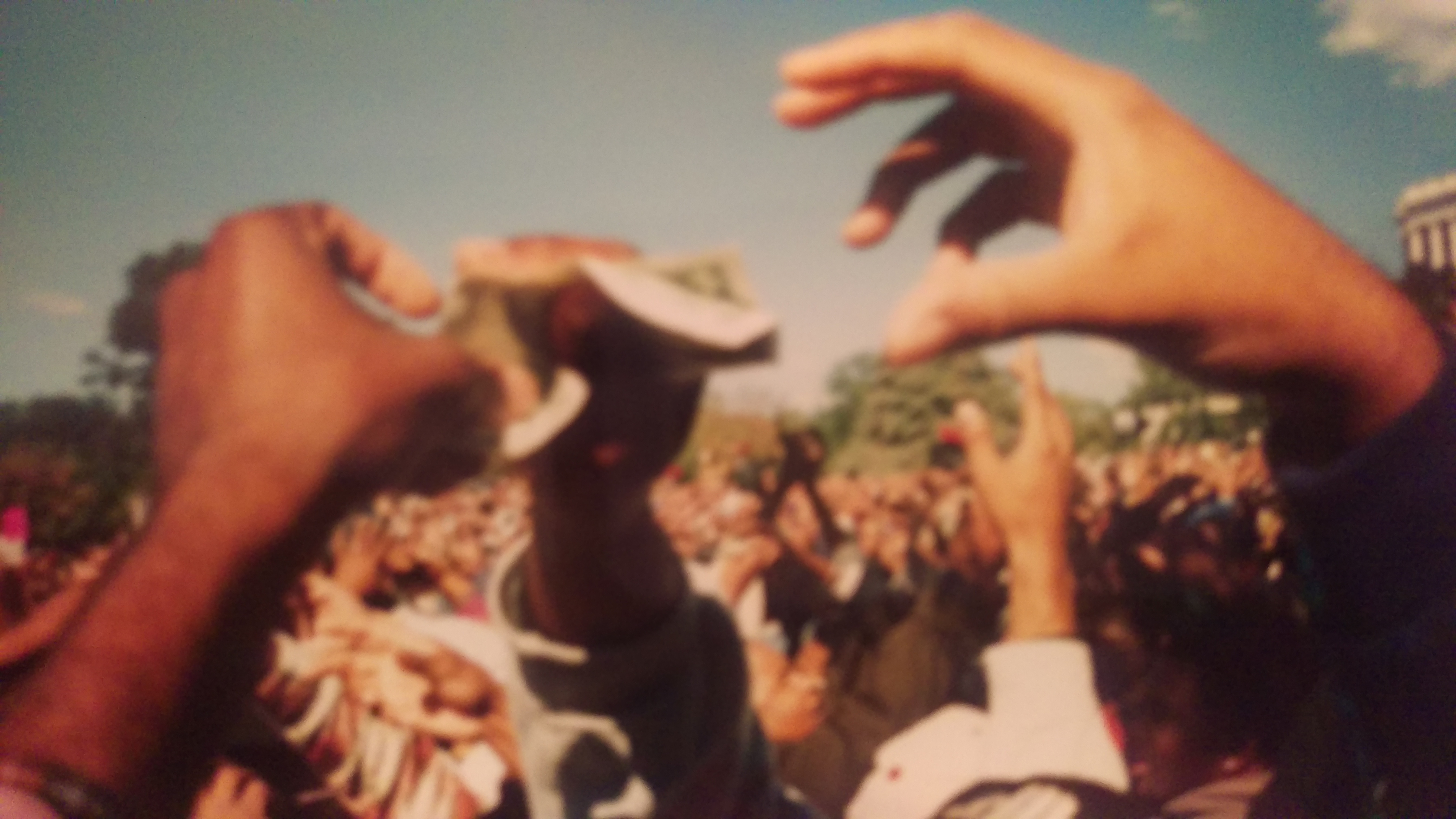
Passing Money

Passing Money

1inaMillion

1 in a Million

My pride about that feeling and that event has never changed.

What bad I can remember about that day had nothing to do with the event. Everything negative happened after the event, when I made it back home. On television, the black priests were preaching against it. The other black leaders were speaking about it in disapproval, some white people were dismissing the minister as antisemitic. People were asking what happened to all the money. The Pope was visiting the area and there was some competitive debates about who had the most attendees. It was disappointing but it didn’t matter, the day went off without any violence or something we could be ridiculed about later. It was our day and I was there. I just turned the TV off and went to sleep happy.

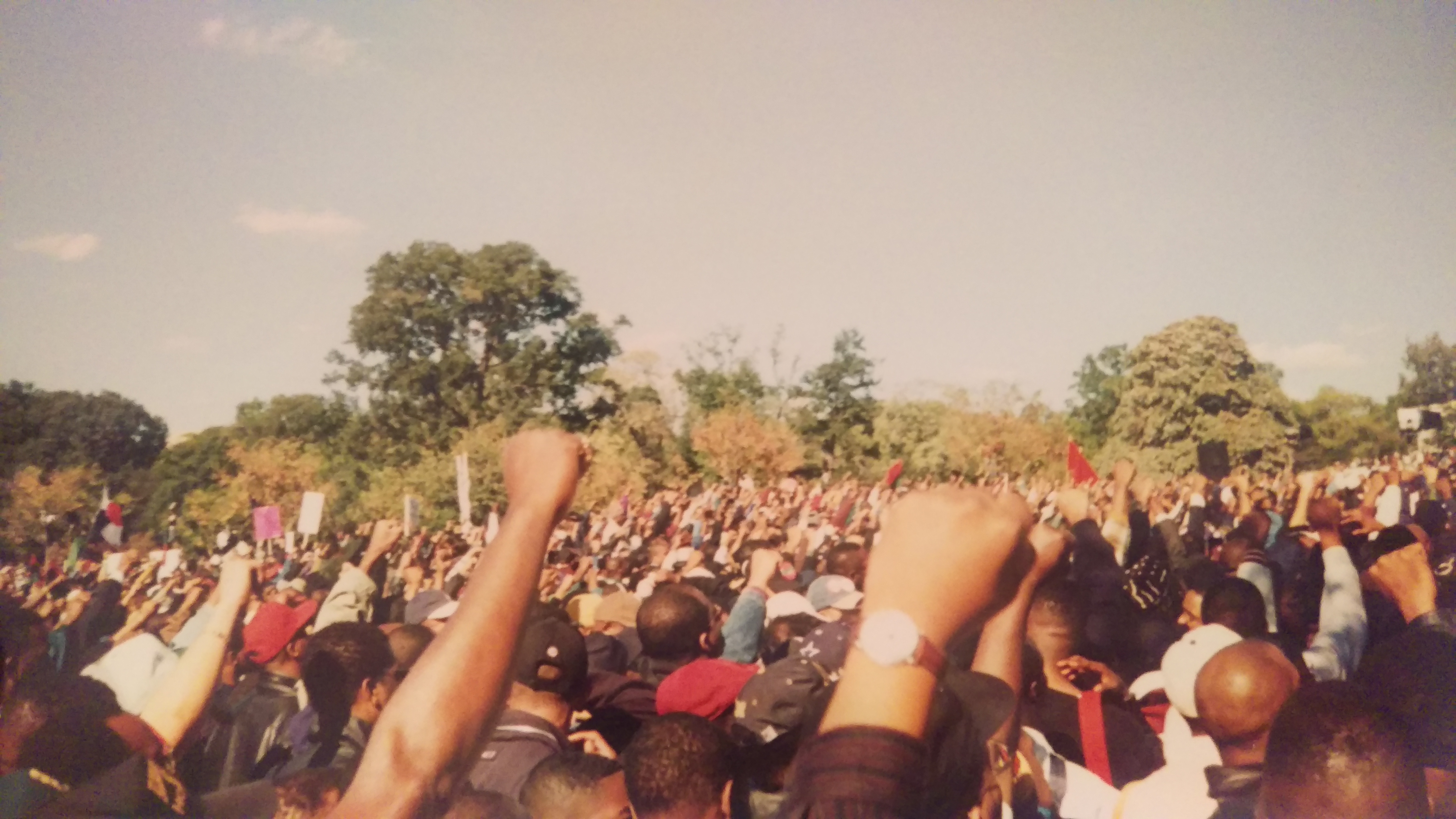
Fists

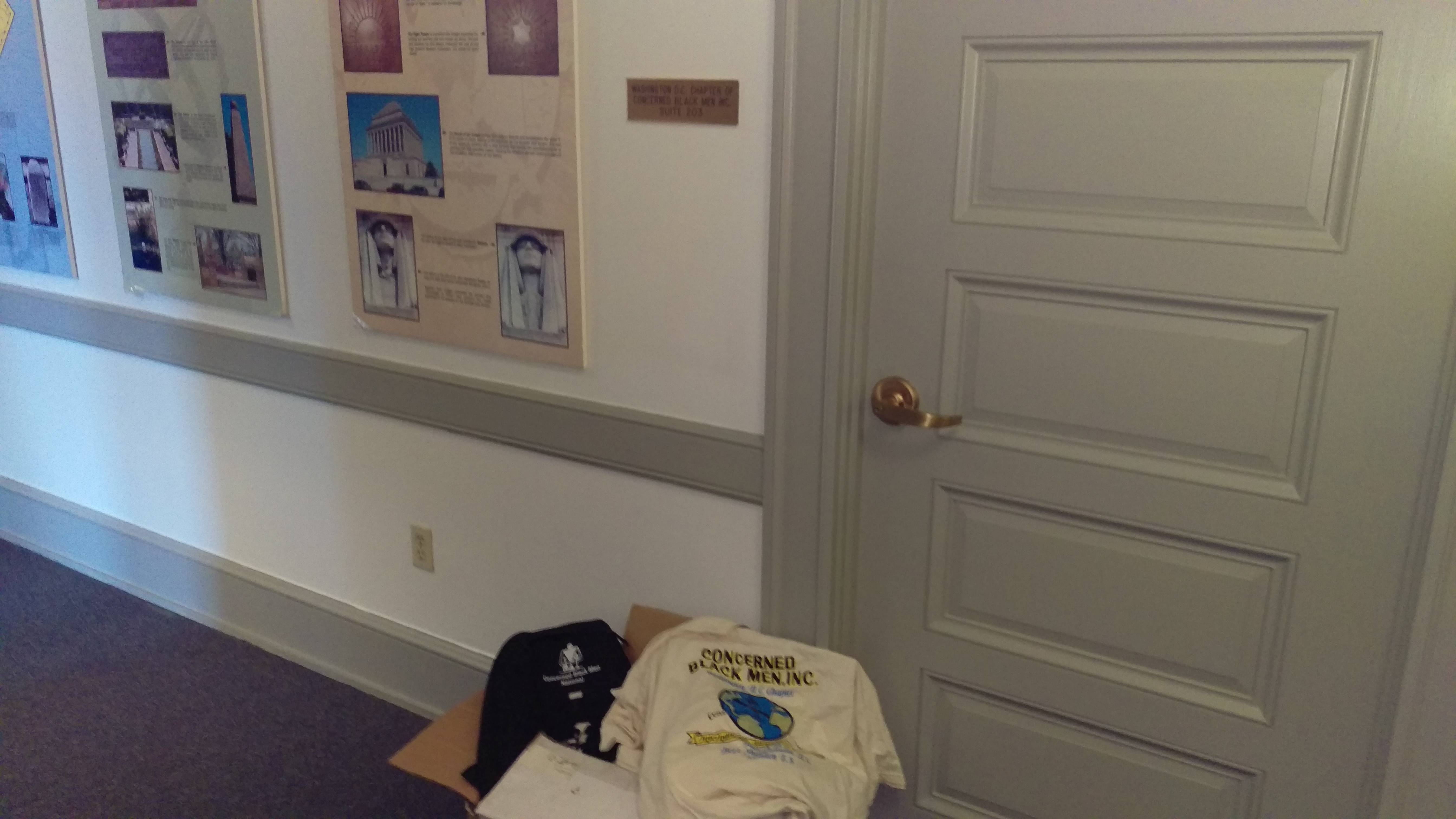
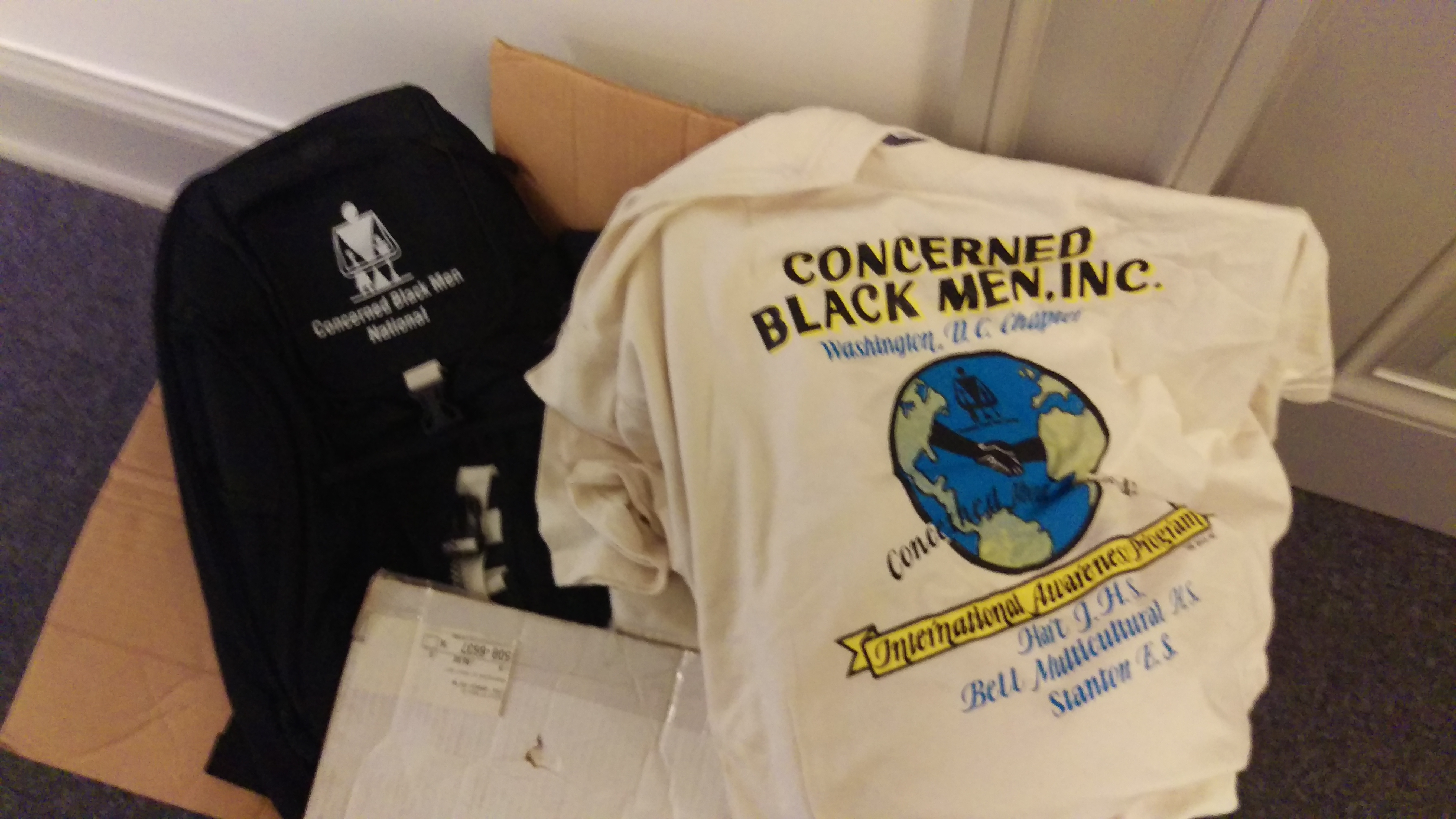
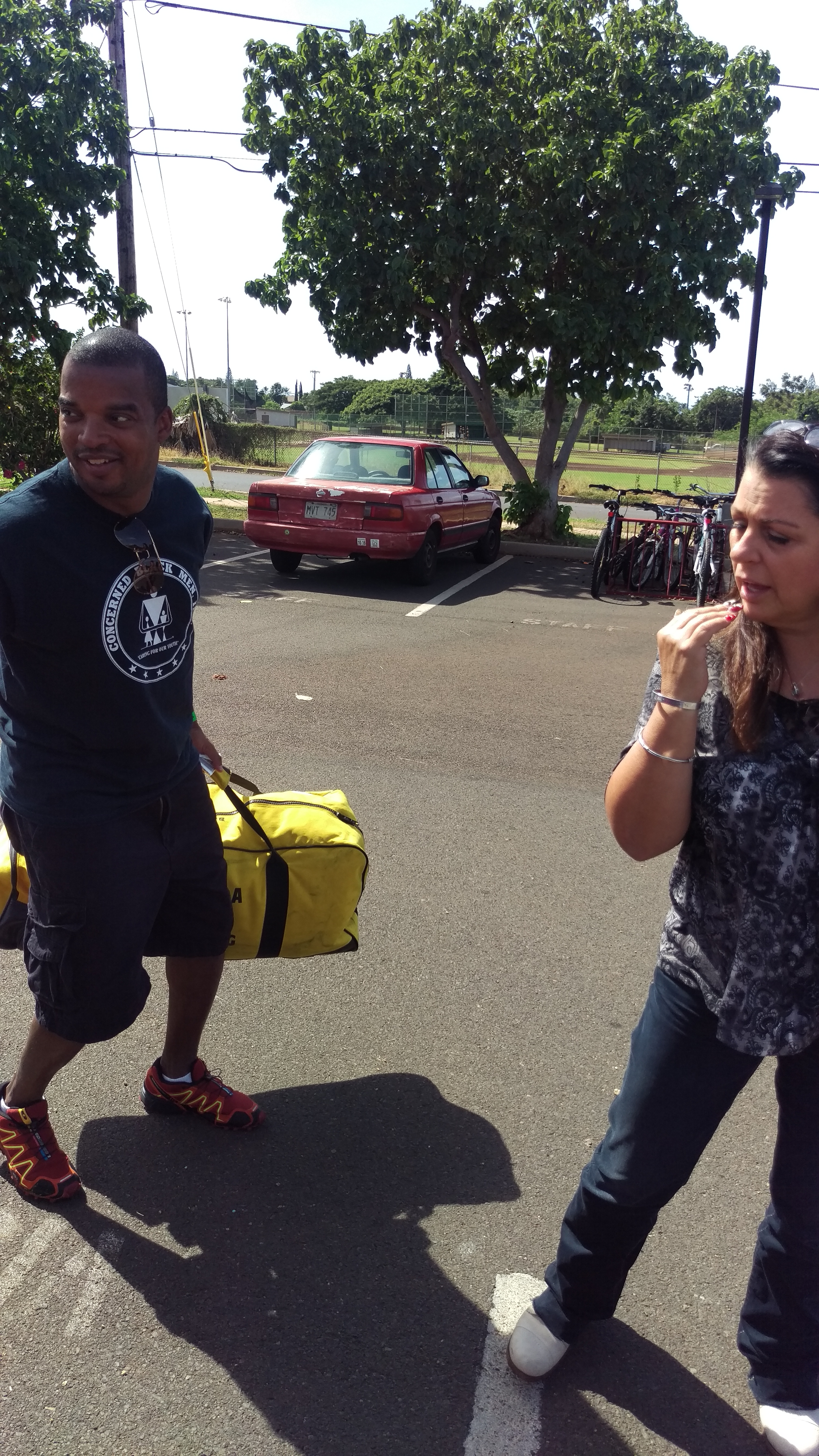
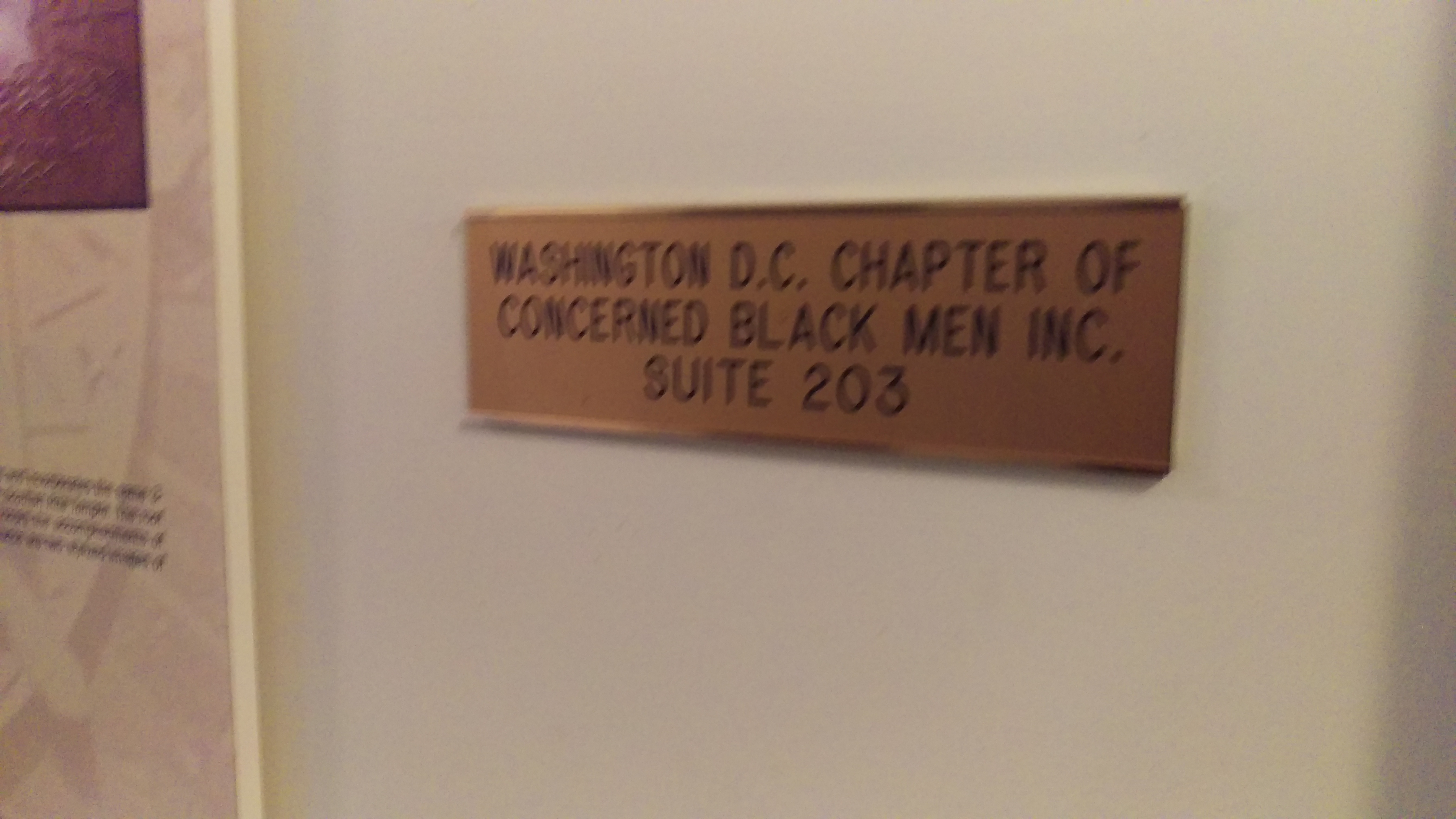
I’m sure the event affected all men differently. I don’t know what other men did when they left the event and I don’t know if they changed their lives when they went home but for me, I joined the Washington DC Chapter of Concerned Black Men, Inc right after the Million Man March.

That was twenty years ago and today I’m the Vice Chairman of the National Organization.  Currently, I’m in the position to be elected Chairman of the board, the head of the organization. I couldn’t have ever predicted this path I’m on. I can’t even understand how it happened. I can’t say I owe the minister for my 20 years volunteer service but I can credit him for being the architect of that event and setting me on this blessed path. Since that one positive event, I’ve been fortunate to continue to have positive things happen to me. I’ve tried to be a good example to my family, friends, and youth I mentor.

I want to pull a message about this twenty year piece of my life at the risk of sounding self-righteous. I want to stress how one event can set you on a path.  Don’t get me wrong, I could have easily been set on the wrong path.

It’s just that someone sarcastically asked me, “What came out of the first Million Man March?”

At the time, I couldn’t remember that the march was the catalyst for joining the Concerned Black Men, Inc. (DC Chapter).

So I ask you…

What part of your life can you look back on a be proud of?

What path are you on?

Can you get off that wrong path before it’s too late?…it’s never too late.

What are you going to say about your life in twenty years?

Skippin

Start walking that path, if one doesn’t exist, make your own.


Thanks to Minister Farrakhan for being the architect of that gathering.

Thanks Ed…I owe you brother, wherever you are.

MPM

1 Comment

Filed under Life Skills

Leadership Profile: Philadelphia Chapter of Concerned Black Men, Student of the year: David Bakali

This blog is dedicated to the memory of Harvey Crudup. Harvey was one of the founding members of the Philadelphia, PA chapter of Concerned Black Men. Harvey passed on Wednesday.

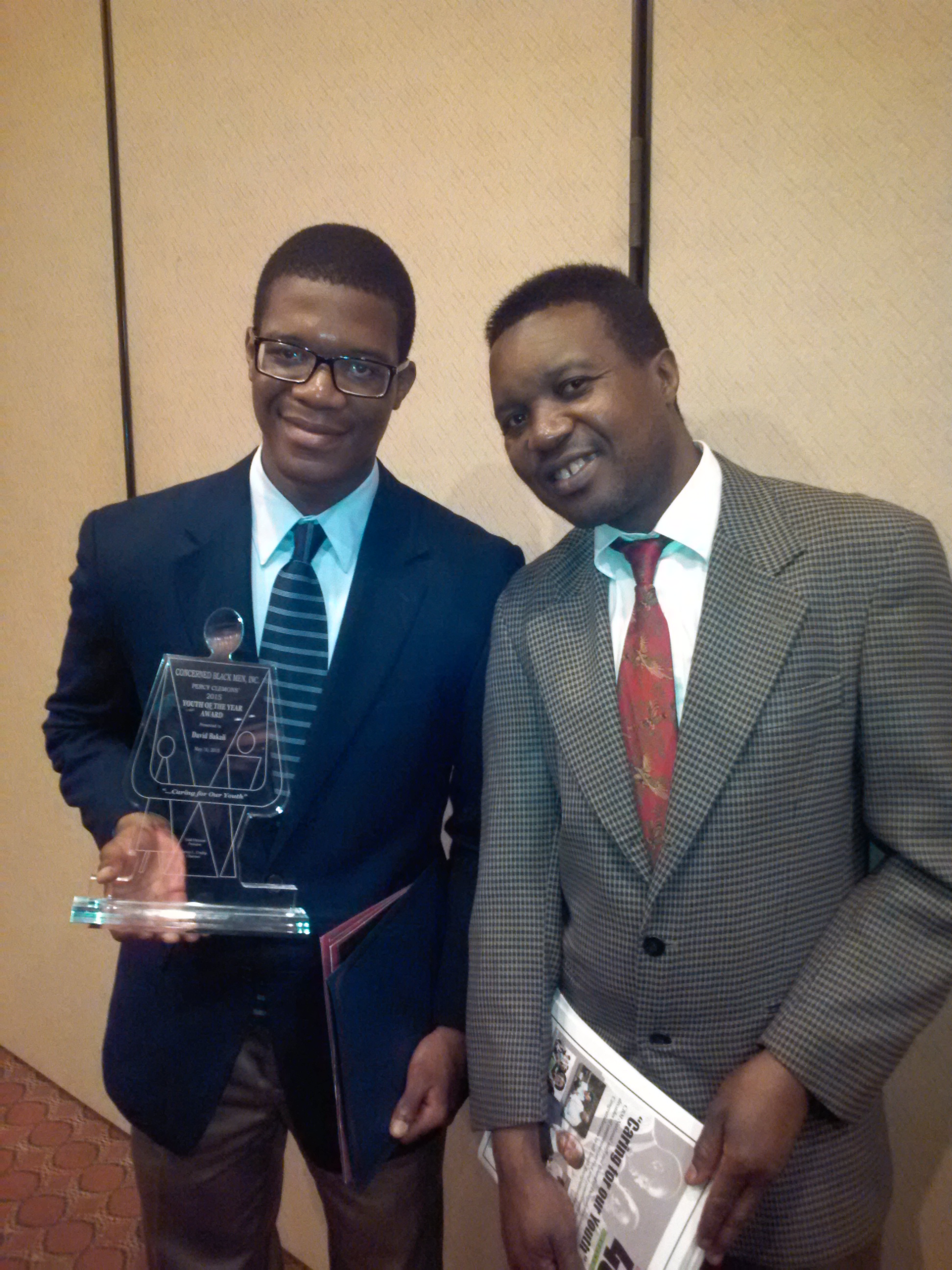
The Philadelphia chapter is the first chapter established prior to the creation of the National Organization of Concerned Black Men, Incorporated. The last time I saw Harvey was at the annual awards luncheon in May 16, 2015. During that ceremony I met David Bakali. David received the chapters highest award, the Student of the Year. David Bakali is my Leadership Profile.

CBM Youth of the Year

Student of the Year David Bakali

David Bakali

When the award was given to David. David was a senior who attended The Shipley School. He played varsity soccer and his team won the 2013 Colonial Cup Classic. David received the Princeton University Book Award in 11th grade and the George Wrangham and Margaret Ralph History Research Prize. David will be attending the University of Pennsylvania majoring in Marketing with additional studies in sociology and psychology.

·         Played soccer and basketball throughout high school

·         Princeton University Book Award, 11th Grade

·         Co-supervisor for a summer camp that serviced children in inner-city Philadelphia

·         Volunteer counselor for Camp St. Thomas at the African Episcopal Church of St. Thomas

·         Full time member of the jazz ensemble at the African Episcopal Church of St. Thomas

·         First generation immigrant to the US (Parents from Malawi)

Interview:

Age: 18

Hobbies:

I love to play and to watch soccer. I also love to play the drums. Moreover, I love to listen to and to produce music. Additionally, I play video games on occasion. I mostly enjoy hanging out with friends.

Career goal:

I would like to work in management for a nonprofit.

What was your biggest mistake as a teenager?

When I played soccer as a underclassman, I did not work at all to achieve my full potential. I thought that I was always a great player. With such a thought in mind, I felt entitled to a place on the Varsity team. For three years straight, I failed to make the team because I felt that I deserved a spot there without having to work hard for it. Such a mentality transferred over to other aspects of my life. On rare occasions, I would not receive the grades that I should have on certain assessments in school. I felt that I could do well without having to work hard for my best grade. It was not until my senior year of high school when I realized that I need to take more initiative. My skill on the field would not come out of thin air. It was up to me to work as hard as I can to earn a spot on the team and to earn playing time. I did all of these things. What I realized from this was that my achievements are much more meaningful when I work hard for them.

What was your biggest mistake in life?

Throughout middle school and as a underclassman in high school, I failed to manage my time well. I let my workloads take over my social life completely. Because of this, I did not spend as much time as I should have with family and friends. This hindered my ability to fully learn about myself, other people, and my environment. As I look back, I still believe that it is important to do well in school. However, grades are not what define you. It is important to go out into the world and spend time with family, friends, and all people to learn about our collective everyday lives. Additionally, we learn how to improve ourselves to make the most of everything. We become socially aware and we understand ourselves, others, and our environment better. Because I spent so much time in books, I lacked social awareness. I struggled to meet new people and to make new friends. I also failed to surround myself around the right people for me. I didn’t know myself. However, I have become a lot more mature in the past two years. I navigate society a lot better because of how I strive to understand myself, others, and the world at large.

Most challenging part of your life/event:

The most challenging part of my life was 7th grade. At that time in my life, I did not understand life at all. This bothered me, because I had a lot of questions about life that I could not find satisfactory answers to. I was constantly thinking, but I still could not find any direction to go in life. It was a miserable experience.

What would you say to yourself at 16 years old?

At 16 I would say that I need to spend more time with people instead of studying so much. If I am given many opportunities to establish meaningful connections with others, I should make the most of them. That is not possible when I spend all of my time in books. I would grow into a much better person if I made time to spend out in the world.

Did you ever image the impact of your life on others?

In big and small ways, I always imaged the impact of my life on others. I have younger brothers that look up to me. It is always important for me to be there for them, so I can help them become the best people that they can be. Whether through volunteer work, music, or sports, I can help people learn. There’s a lot that I have already learned from others. Therefore, I want to spread my knowledge to help change someone’s life.

When did you realize you had the potential to be a leader?

I realized that I had the potential to be a leader in early elementary school. I excelled in school and I quickly became a role model for my peers. There were high expectations for me to represent myself, my peers, and my family well. I rose above those expectations even in my younger years.

How did your understanding of your potential change you?

My understanding of my potential made me want to keep myself on the right path at all times in my life. I realized that I had to be a role model. Anything I say or do could have a tremendous impact on someone’s life. It was my responsibility to keep myself in a position where I could serve as a reputable source of help for someone else.

What advice would you like to give a young male facing any challenge?

Firstly, I would tell him to keep his head up and keep fighting. I would say this, because his challenge could enable him to grow into a man powerful beyond measure. If he were to back down, he would miss an opportunity to become great. He should stay positive that he can rise above his challenges. Additionally, he should lean on the shoulders of those who are very close to him. These individuals whom he trusts could be very helpful to him. Moreover, he could bring himself closer to these people and establish strong relationships to carry him through life.

Student of the Year David Bakali & his proud father

Student of the Year David Bakali & his proud father

David is now at the University of Pennsylvania focusing on his studies in Social Sciences and Economics. He plans to engage in extracurriculars with music groups and soccer teams. Additionally, he is a student worker for the Africana studies department at UPenn.

MPM

Leave a comment

Filed under Leadership Profiles